
Tori Removal Surgery: When Is It Necessary?
If you've ever run your tongue along the inside of your mouth and noticed a hard bump on your upper palate or behind your lower teeth, you may feel uncertain or anxious about what it could mean. But there’s good news! These bony growths, known as “tori,” are often harmless.
However, they can sometimes interfere with everyday comfort, dental health, or planned treatments like dentures or braces. And in these cases, tori removal surgery might be the best path forward. At Luxe Dental in Oklahoma City, Dr. Golnaz and her compassionate team are here to ensure that even surgical care feels reassuring, gentle, and centered around you.
What Are Tori and Why Do They Form?
Tori (singular: torus) are benign, non-cancerous bone growths that develop in the mouth. The two most common types are:
- Torus Palatinus: Found on the roof of the mouth (hard palate)
- Torus Mandibularis: Found along the inner side of the lower jaw, near the tongue
Tori can develop in early adulthood and gradually increase in size over time. While there is no single known cause, they are often linked to genetic factors, teeth grinding (bruxism), and even higher bone density. Many people live comfortably with tori their whole lives, so when is tori removal surgery actually necessary?
Signs You May Need Tori Removal Surgery
Although tori themselves aren't dangerous, they can become problematic under certain conditions. Here's when surgical removal is often medically advised:
- Difficulty with Eating or Speaking: Enlarged tori can interrupt speech patterns or make swallowing uncomfortable.
- Interference with Dental Appliances: Tori may complicate the fit of dentures, night guards, sleep apnea devices, or certain orthodontic appliances.
- Chronic Irritation or Ulceration: If dental tori constantly rub against soft tissue or become inflamed, removal may relieve long-term discomfort.
- Rapid Growth: Any sudden or significant change in size should be evaluated for possible intervention.
At Luxe Dental, we understand that deciding to undergo oral surgery can be a bit anxiety-inducing. That’s why Dr. Golnaz focuses on keeping you informed every step of the way, offering personalized recommendations based on your unique needs and comfort level.
What to Expect During the Tori Removal Procedure
Tori removal surgery is a relatively simple outpatient procedure typically performed under local anesthesia or light sedation, which is especially ideal for patients with dental anxiety. At Luxe Dental, we offer various sedation dentistry options tailored to help you relax comfortably in our spa-like environment. Here’s an overview of what you can expect from the surgical process:
- Consultation and Imaging: Using advanced digital scanners and 3D imaging, Dr. Golnaz will assess your tori with precision and explain whether removal is necessary.
- Anesthesia and Preparation: You’ll be made comfortable with your chosen sedation method, warm blankets, and even aromatherapy to ease nerves.
- Removal: The bony growths are gently trimmed away through small incisions, minimizing tissue trauma and promoting faster healing.
- Recovery: Stitches, if used, are typically dissolvable. Most patients return to regular activities within a few days with aftercare guidance.
One of the benefits of having this procedure completed at Luxe Dental is the personalized recovery plan and check-ins. Dr. Golnaz believes in relationship-based dentistry, ensuring that care doesn’t stop when you leave the office, it continues as you heal and return to full comfort.
Frequently Asked Questions About Tori Removal
Is tori removal painful?
With effective numbing and sedation, discomfort during surgery is minimal. Some soreness or swelling afterward is common but typically manageable with over-the-counter pain medication and guided aftercare.
How long is the recovery period?
Most patients return to normal activities within 3-5 days, with full soft tissue healing taking about 2-3 weeks. You’ll receive detailed instructions to support healing and avoid complications.
Does insurance cover tori removal?
Coverage often depends on whether the procedure is deemed medically necessary, such as to support dentures or resolve ongoing irritation. Luxe Dental will work with your insurance provider and offer financing options to make care accessible.
Why Choose Luxe Dental for Your Oral Surgery Needs?
At Luxe Dental in Oklahoma City, what sets us apart isn’t just technology, it’s heart. Our philosophy combines advanced clinical care with deep compassion to help patients feel safe, heard, and comfortable with every dental decision. Here’s what you can expect from your experience with us:
- Gentle, Anxiety-Friendly Dentistry: Our team takes time to listen, explain, and soothe, with sedation dentistry options that allow you to feel calm and in control.
- A Spa-Like Experience: Imagine walking into a serene space with warm towels, calming scents, and soft lighting. Every detail is designed to shift your mindset from stress to serenity.
- Technology That Cares: From intraoral scanners to 3D imaging, our tools do more than elevate precision. They create faster, more comfortable outcomes tailored to you.
- Continuity of Care: At Luxe Dental, we believe in long-term partnerships. Dr. Golnaz will guide you beyond surgery, helping preserve your oral health for years to come.
Ready to Find Out if Tori Removal Is Right for You?
If you're experiencing discomfort, irritation, or challenges with dental devices due to mouth tori, it may be time to explore surgical solutions, delivered with care, comfort, and confidence. At Luxe Dental, Dr. Golnaz and the team take the time to understand your concerns and craft a treatment plan that honors your individuality.
Your comfort and oral health don’t need to be in conflict. Discover how our anxiety-friendly care and modern expertise can help you feel at home, before, during, and after your procedure. Call us at (405) 755-4099 or book your consultation online today.
Related Posts
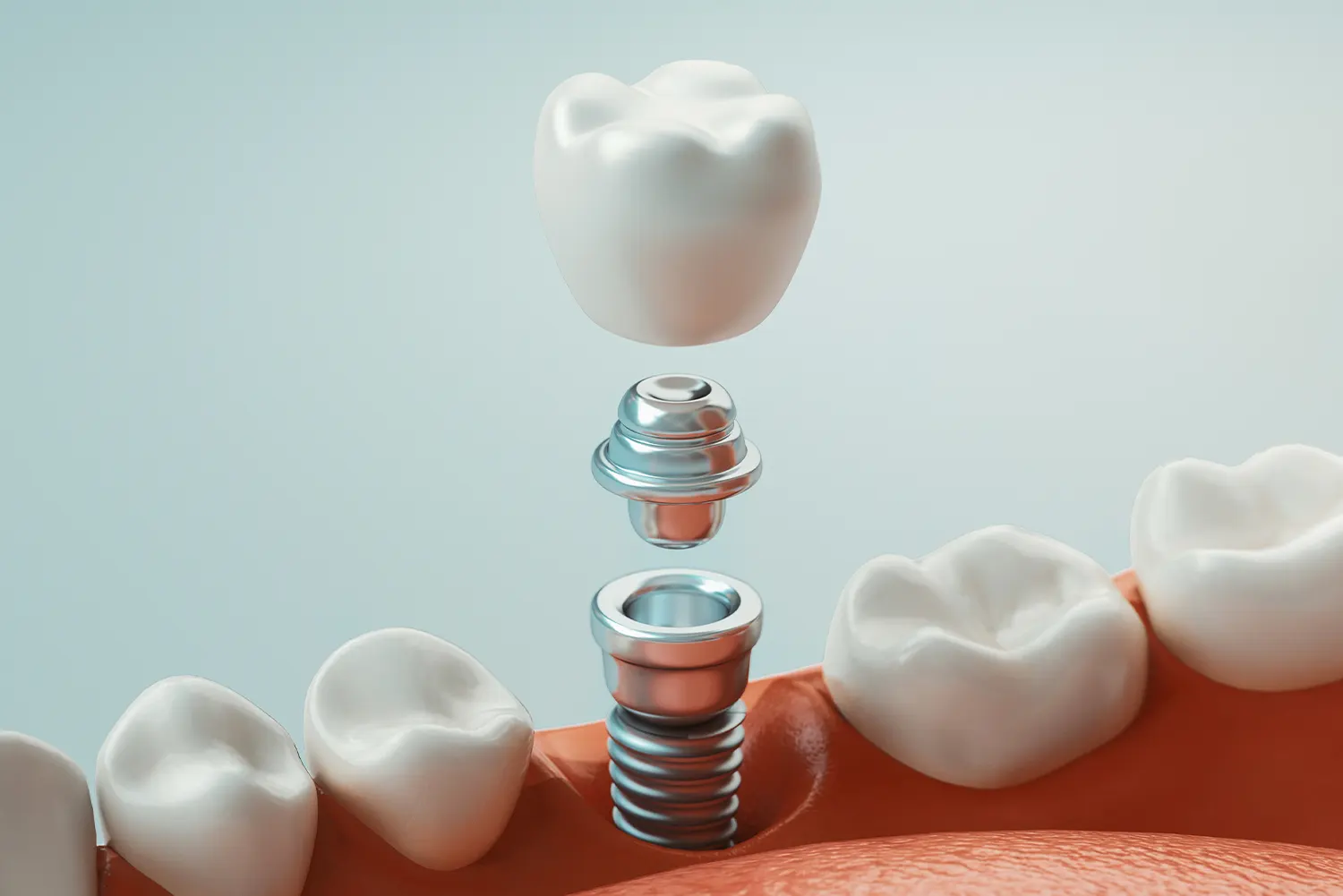
How Long Does It Take for a Permanent Dental Implant to Fuse with the Jawbone?
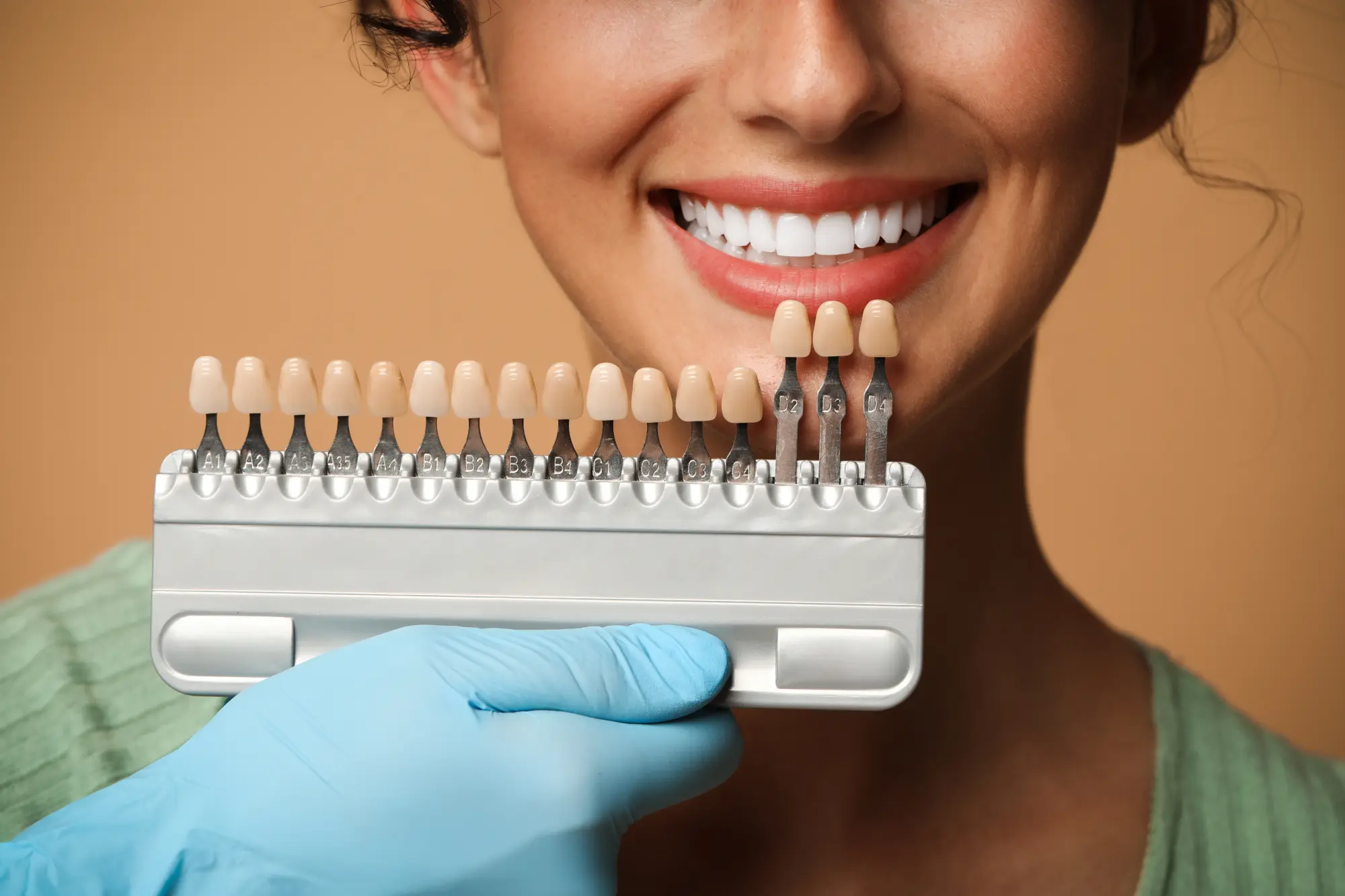
Can Porcelain Veneers Permanently Fix Both Tooth Discoloration and Minor Gaps?

Root Canal Therapy: Separating Painful Myths from Modern, Gentle Reality